

You’re sitting at the kitchen table with the bills spread out in front of you, and your eyes drift to the gas station receipt with a lottery ticket tucked inside. For just a second, you let yourself imagine it: one lucky number, and all of this disappears. It’s a completely human moment, and if you’ve ever caught yourself treating the lottery as a debt solution, even half-jokingly, you’re far from alone.
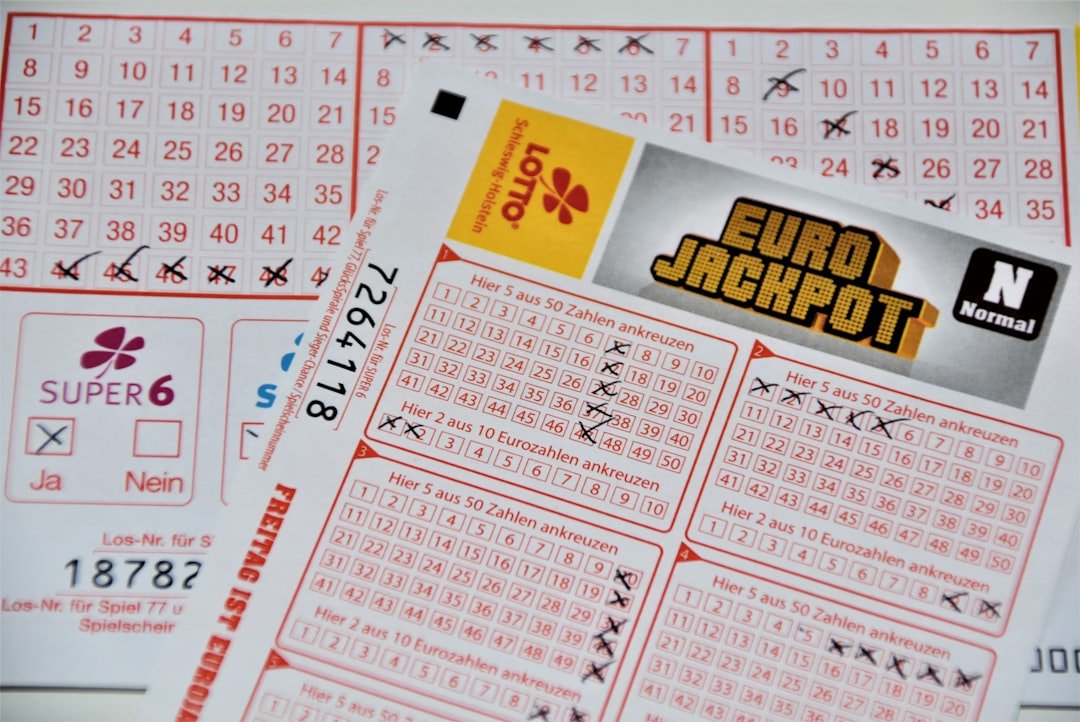
Why the Lottery as a Debt Solution Feels So Tempting
Debt has a way of making you feel like you’re working hard and getting nowhere. When that feeling sets in, the idea of one dramatic, effortless reset becomes deeply appealing. The trouble is that hope and probability rarely agree with each other, and no matter how badly you want the lottery as a debt solution to be true, the math tells a very different story.
The Odds Are Not Just Long, They’re Almost Incomprehensible
According to Powerball’s official odds, your chance of matching all six numbers for the jackpot sits at roughly one in 292 million. Numbers that large stop feeling real, which is exactly why they’re so easy to ignore in the moment you’re buying the ticket.
What doesn’t stay abstract is the money you actually spend chasing that outcome. Twenty dollars a week sounds harmless until you add it up: over a thousand dollars a year, and over several years, enough to have made a real dent in a credit card balance or built the start of an emergency fund like the one described in Why Any Unexpected Cost Makes You Panic Today.
Debt Rarely Disappears Through Luck
The lottery as a debt solution rarely survives contact with how people actually get out of debt. Here’s something worth sitting with: most people who become debt-free don’t get there through a windfall. They get there through decisions that are almost boring in how ordinary they are.
They build a budget that reflects real life instead of a wish list. They pay more than the minimum whenever they can, which matters more than it sounds like it should, as we broke down in The Minimum Payment Trap. They build a small cushion so one unexpected expense doesn’t turn into new debt. None of it makes headlines, and none of it feels as good as imagining a jackpot, but it works in a way luck never reliably will.
There’s also an emotional trap worth naming. When the numbers don’t hit, and they almost never do, it’s easy to think “maybe next time” and buy another ticket the following week. That thinking isn’t a character flaw. It’s a completely natural response to hope. Research involving Florida lottery winners who received approximately $50,000 to $150,000 found that larger prizes reduced bankruptcy filings during the first two years, but did not reduce the overall bankruptcy rate over five years compared with smaller winners. For some financially distressed winners, the money appeared to postpone bankruptcy rather than prevent it. A windfall can provide relief, but it cannot replace a workable financial plan.
What Actually Moves the Needle
If you’re staring down debt right now, the most useful thing you can do today isn’t treat the lottery as a debt solution. It’s pick one small, concrete action: an extra twenty-five dollars toward your highest-interest balance, or a subscription you’ve been meaning to cancel. Then use How to Get Out of Debt and Stay Out for Good to turn that first step into a complete repayment plan. Small as it sounds, that’s the same habit-building foundation behind our free 7-Day Money Habits Challenge, which is built entirely around taking one manageable step at a time instead of waiting for a dramatic turnaround. And if you want a deeper, structured way to build those habits long-term, that’s exactly the ground our upcoming book, Money Habits, is built to cover.
Winning the lottery would solve a lot of problems, and there’s no shame in daydreaming about it. But counting on it isn’t a strategy, and the lottery as a debt solution has always been a long shot, not a plan. Real financial progress comes from the habits you build on the days nothing exciting happens at all.