Desk scene for personal finance planning: a notebook titled 'Financial Checkup' with a long checklist and green check marks, calculator, charts, and a piggy bank nearby.
Budgeting

A Simple Financial Checkup for a Better Year

Most people think about a financial checkup at the beginning of a new year. January feels like the natural time to set goals, review spending, and promise ourselves we’ll do better with money. But the truth is, there isn’t a “right” month to review your finances. Life doesn’t wait for the calendar to turn. Jobs

Read More »
Illustration of financial themes with charts, coins, house, plane, piggy bank, clock, and checklists, titled "Financial Autopilot: Why New Budgeting Methods Alone Aren't Enough Anymore.
Budgeting

Financial Autopilot: New Budgeting Methods For You

There’s a point in managing money where the numbers start to make sense, but the results don’t quite match the effort. You’ve taken the time to build a budget, you know where your money is going, and you’re more aware than you’ve ever been. Still, progress feels slower than expected, leaving you wondering what’s missing.

Read More »
Illustration of subscriptions, money, and a calculator with dripping coins, highlighting how subscription creep can become a major budget killer. Text reads, "Subscription Creep: The Hidden Budget Killer Most People Ignore.
Budgeting

Subscription Creep: The Budget Killer Most People Ignore

Most people have a rough idea of what they spend on rent, groceries, and gas. What they almost never track is subscription creep — the slow, quiet accumulation of recurring monthly and annual charges that pile up in the background while you’re busy living your life. It doesn’t announce itself. It doesn’t send a warning.

Read More »
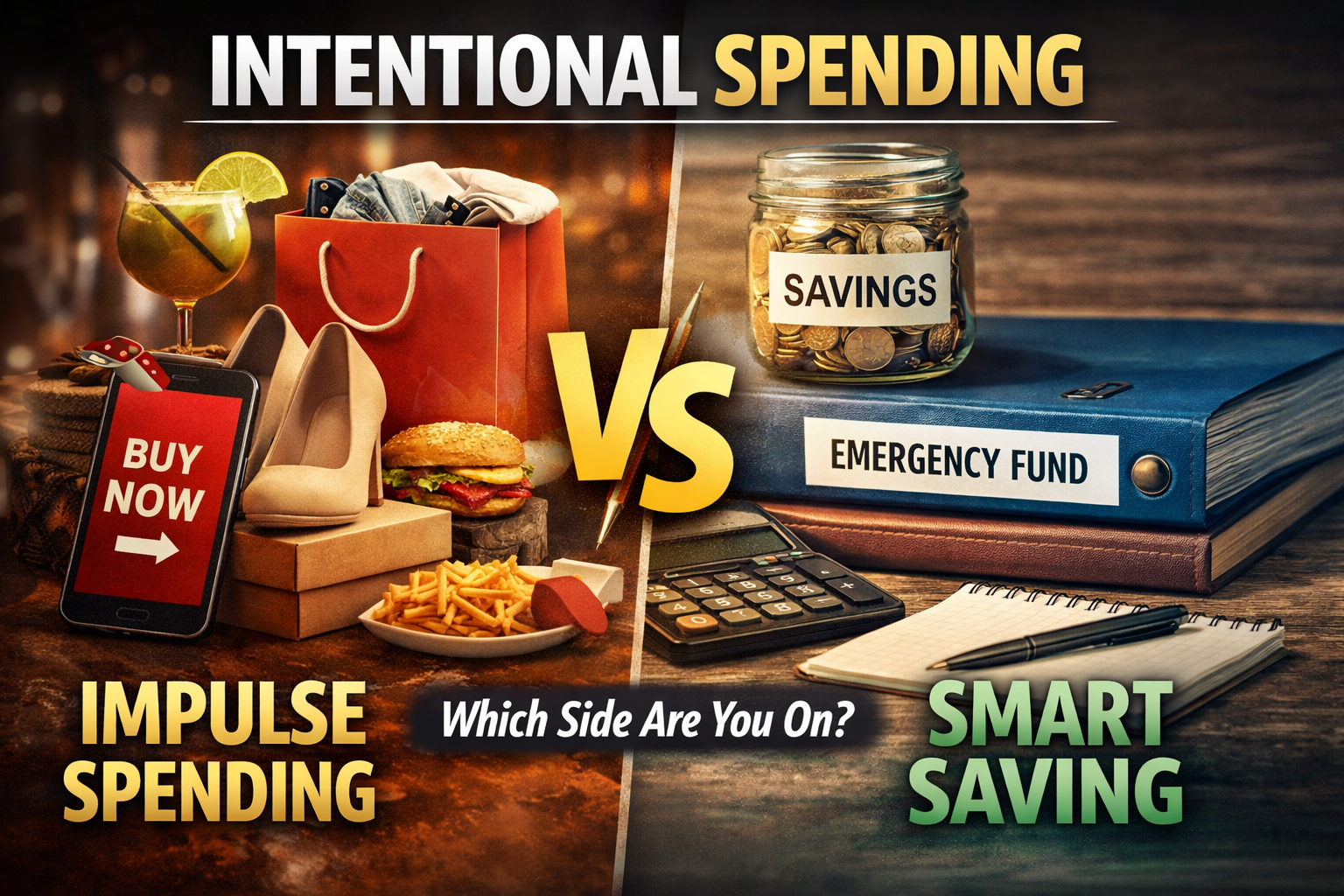
Split image compares impulse spending with fast food and shopping bags on the left, and intentional spending with a savings jar and emergency fund folder on the right. Text: "Buy Better: Which side are you on?.
Budgeting

Intentional Spending: Buy Better, Not Just More

Intentional spending sounds simple until you try to practice it. Most people recognize the moment it describes: you check your bank balance a week before payday, and the number is lower than it should be. You pay the bills, nothing unusual happens, yet the money disappears anyway. Then the easiest explanation feels most comfortable—you just

Read More »
A road sign reading "Financial Emergency Ahead" stands on an empty highway, with images of bills, taxes, and a concerned couple in the background—reminding us of the importance of having the right amount in an emergency fund.
Budgeting

My Emergency Fund: How Much Is The Right Amount?

An emergency fund is one of the most important pieces of personal financial stability, yet many people struggle with a simple question: how much is actually enough? Traditional advice often suggests saving three to six months of expenses, but the right emergency fund can vary widely depending on your situation, income stability, and financial responsibilities.

Read More »
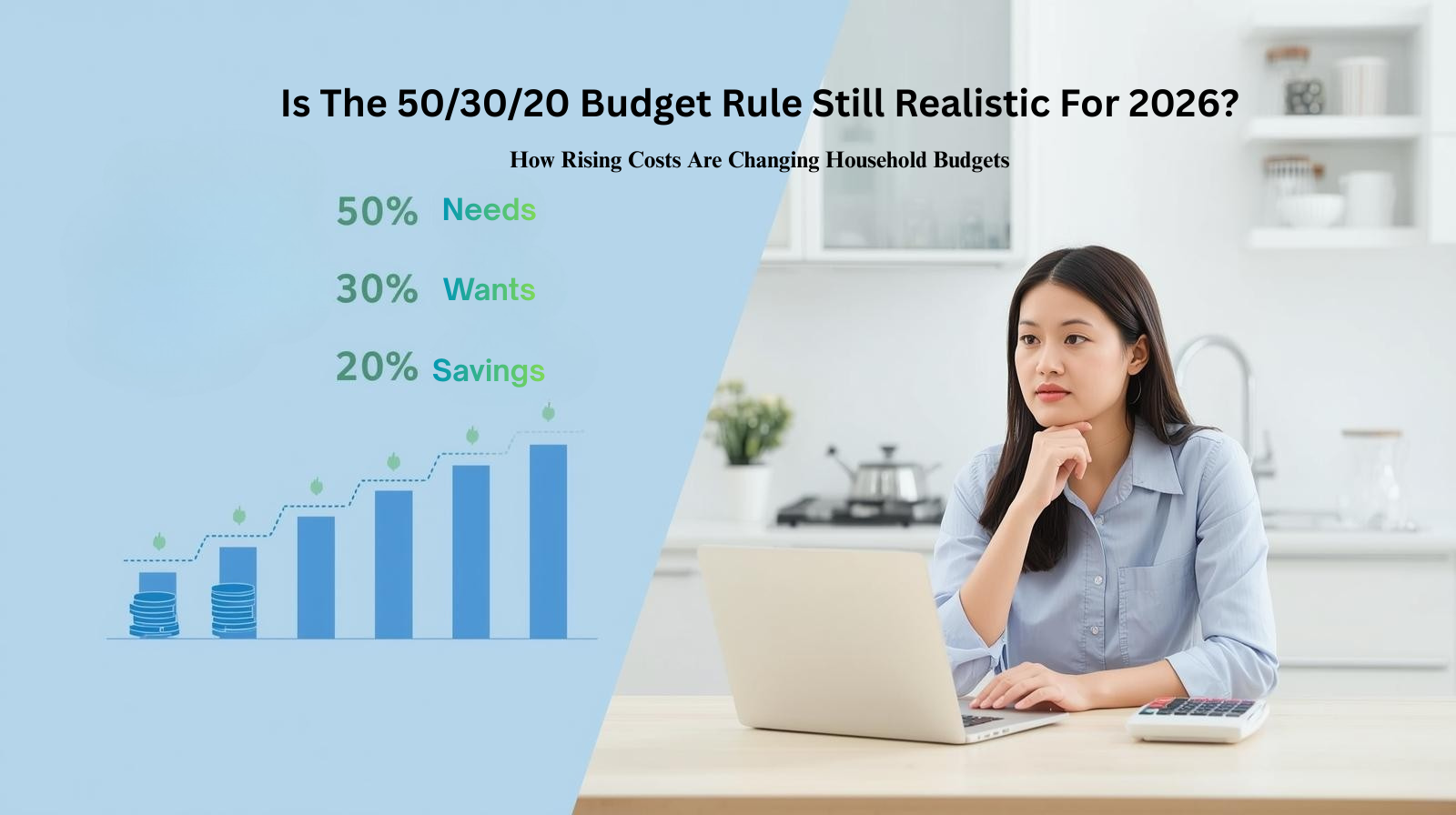
A woman sits at a desk with a calculator, looking thoughtful. The graphic beside her explains the 50/30/20 budget rule, a realistic budgeting method for needs, wants, and savings that remains popular in 2026.
Budgeting

Is The 50/30/20 Budget Rule Still Realistic For 2026?

The 50/30/20 budget rule is a simple guideline for dividing your income into three categories: The idea is straightforward. Half your income goes to essential expenses. A portion goes to lifestyle spending. The remaining amount goes toward building your financial future. It’s easy to remember, which is why the rule became popular. But like many

Read More »
Newsletter Signup Form
Newsletter Consent
By subscribing, you consent to us processing your email for newsletters. Your data is stored securely, used to send emails, and kept no longer than necessary. You can unsubscribe anytime and review details in our Privacy Policy

Each month, you'll receive a roundup of the latest articles, practical money tips, and new resources published on Money Habits For Me.