Build Better Money Habits, One Step at a Time
Whether you’re trying to get out of debt, build savings, start investing, or simply make smarter financial decisions, you’ll find practical, easy-to-follow guides to help you every step of the way.
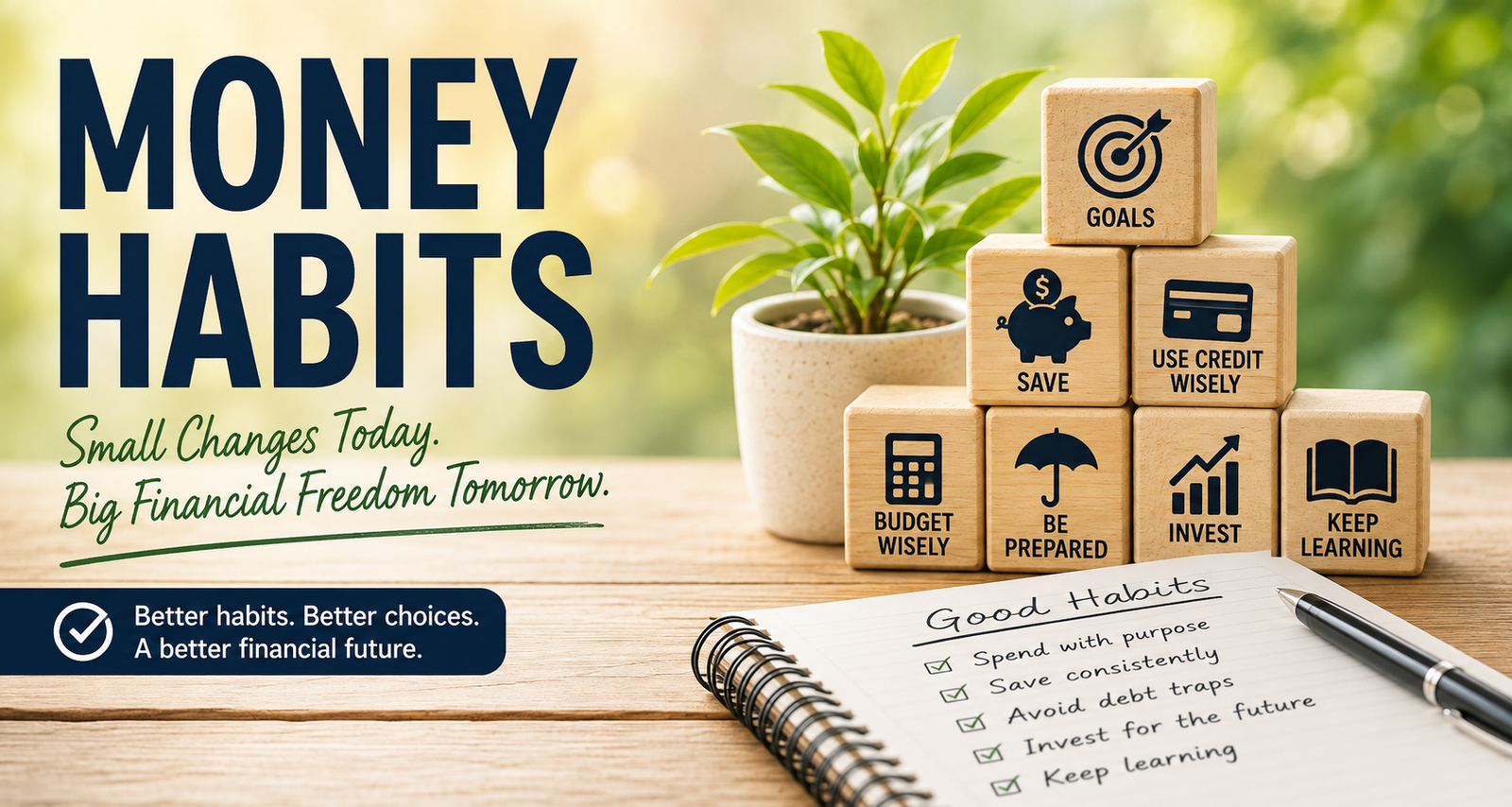
New Here? Start with This Guide.
If you’re wondering where to begin, start with Money Habits: Small Changes That Can Transform Your Financial Life. It explains the everyday financial habits that lead to lasting success and connects you to the site’s most important guides on budgeting, saving, debt, investing, and financial planning.
Browse by Category
Looking for something specific? Explore our guides by category and find practical advice for every stage of your financial journey.
📊 Budgeting
Create a spending plan and take control of your money.
💳 Debt & Credit
Reduce debt, improve your credit, and borrow wisely.
🎓 Financial Education
Understand financial terms and build confidence with money.
📈 Investing & Wealth
Learn the basics of investing and long-term wealth building.
💡 Money Habits
Build better financial behaviors that last.
🏡 Real-Life Money
Practical advice for everyday financial situations.
🏦 Taxes & Banking
Understand banking, taxes, and managing your accounts.