
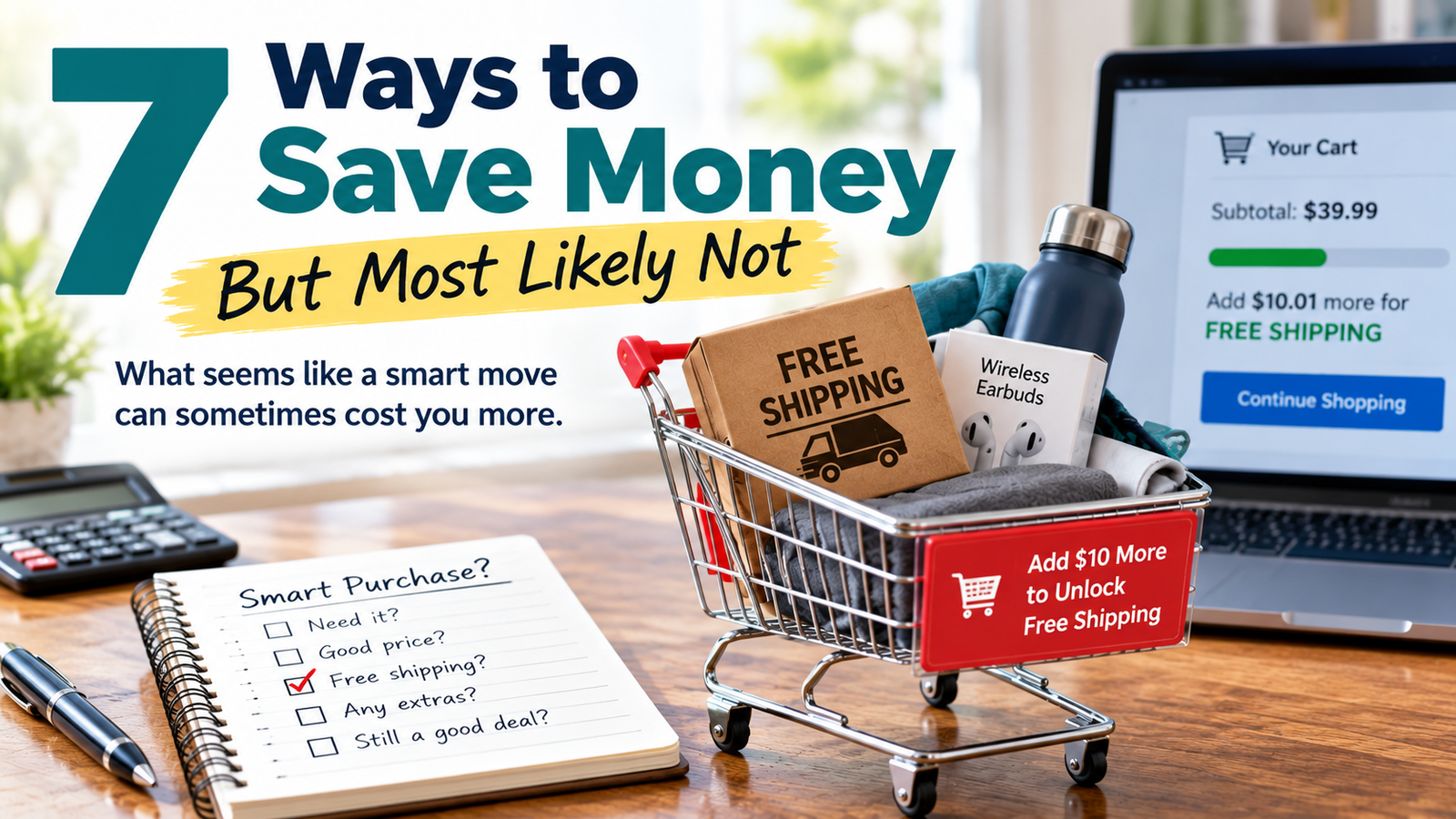
Saving money should feel simple: spend less, keep more. But in practice, it rarely works out that way.
You wheel your cart out of the store feeling genuinely good about yourself: three things were on sale, you grabbed the jumbo pack because it was cheaper per ounce, and you hit the free shipping threshold on your last online order too. Then the credit card statement arrives, and somehow the total is higher than the month you didn’t try to save anything. If that gap between feeling frugal and actually being frugal sounds familiar, you’re not bad with money; you’ve just run into one of the oldest tricks in retail: a deal only saves you money when it lowers what you spend on something you genuinely needed.
Buying More Because It’s Cheaper Per Unit
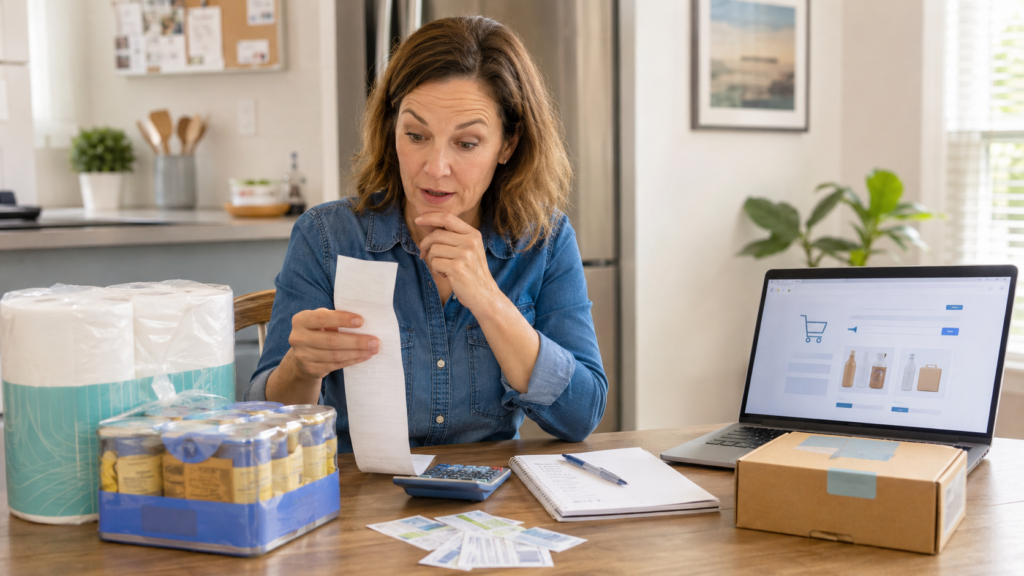
A lower price per ounce or per roll sounds like automatic savings, but it only works if you use everything before it expires, spoils, or no longer fits your life. Bulk buying earns its keep on things your household reliably uses- paper goods, cleaning supplies, shelf-stable staples- but a 24-pack isn’t a bargain if half of it lands in the trash. Before buying in bulk, pause to calculate the real unit price and ask honestly how long it will take to use it all. That calculation, not the sticker price, is what actually tells you whether you’re saving money.
Coupons for Things You Weren’t Going to Buy
A coupon only creates savings when it lowers the price of something already on your list. The rest of the time, it’s quietly persuading you to try a pricier brand or add something to the cart simply because it’s discounted. Saving three dollars on an unplanned fifteen-dollar purchase doesn’t put you three dollars ahead; it leaves you twelve dollars behind. The honest question before clipping any coupon is whether you’d still want the item without it. If the answer is no, clipping it isn’t saving money; it’s spending money you wouldn’t have spent otherwise.
A Sale Isn’t a Reason on Its Own
Phrases like “limited time” and “today only” are built to make you act before you think, and the advertised discount is often measured against a price almost nobody actually paid. Before buying, compare the current price elsewhere, check whether you already own something that does the same job, and ask the one question that cuts through the urgency: would I buy this if it weren’t on sale? If the honest answer is no, the discount is creating the purchase, not reducing its cost.
The Cheapest Option Isn’t Always the Cheapest
Price and cost aren’t the same thing. An inexpensive appliance that needs replacing twice can end up costing more than a reliable one that lasts years, and a bargain printer with expensive ink cartridges can quietly cost more than the pricier model over time. That doesn’t mean the priciest option automatically wins either; sometimes the basic version is genuinely enough. The useful lens is evaluating cost over the product’s whole life, not just the sticker price on day one.
DIY That Doesn’t Count Every Cost
Do-it-yourself projects can genuinely save on labor, or they can turn into the familiar arc of optimism, confusion, extra hardware-store trips, and eventually calling a professional anyway. Painting a room or assembling furniture is usually safe territory. Electrical work, plumbing, and complicated repairs carry real financial and safety risk without the right experience. The better question isn’t “can I do this myself,” it’s whether you can do it safely and correctly for genuinely less than hiring it out.
Spending More to Earn “Free” Shipping
You’ve got a $32 item in your cart, and shipping is free over $50, so adding another $18 item feels smarter than paying a $7 fee. It isn’t. You didn’t save seven dollars; you spent an extra eighteen. Free shipping thresholds are designed to grow the size of your order, and they only work in your favor when the extra item was already something you needed- one you might find covered in Money Habits: Helping Your Mind With Emotions & Decisions, which digs into exactly this kind of in-the-moment reasoning.
Subscriptions Kept for the Discount
An annual plan often looks cheaper per month than paying monthly, right up until you stop using the service two months in. The same trap shows up in gym memberships, streaming platforms, and subscription boxes alike, a pattern we cover in Subscription Creep: The Budget Killer Most People Ignore. A $120 annual membership used twice comes out to sixty dollars a visit, at which point the slightly pricier monthly option was actually the better deal.
The Real Test
Before calling anything a money-saving decision, run it through a short, honest check: Was I already planning to buy this? Will I actually use all of it? What’s the total cost once taxes, fees, and upkeep are counted? Is there a cheaper way to meet the same need? And does this purchase actually support what matters to me right now? That last question usually matters most. Everything else is just a story you’re telling yourself about saving money.
Saving Money Starts With Spending Less
Saving money was never about winning a game against the retailer. It’s about keeping more of your income available for the bills, the emergencies, and the goals that actually matter to you, the same foundation our free 7-Day Money Habits Challenge is built around. The next time a deal looks too good to pass up, ask one simple question: would I have spent less money without it? That answer tells you whether you found real savings or just bought a convincing discount.