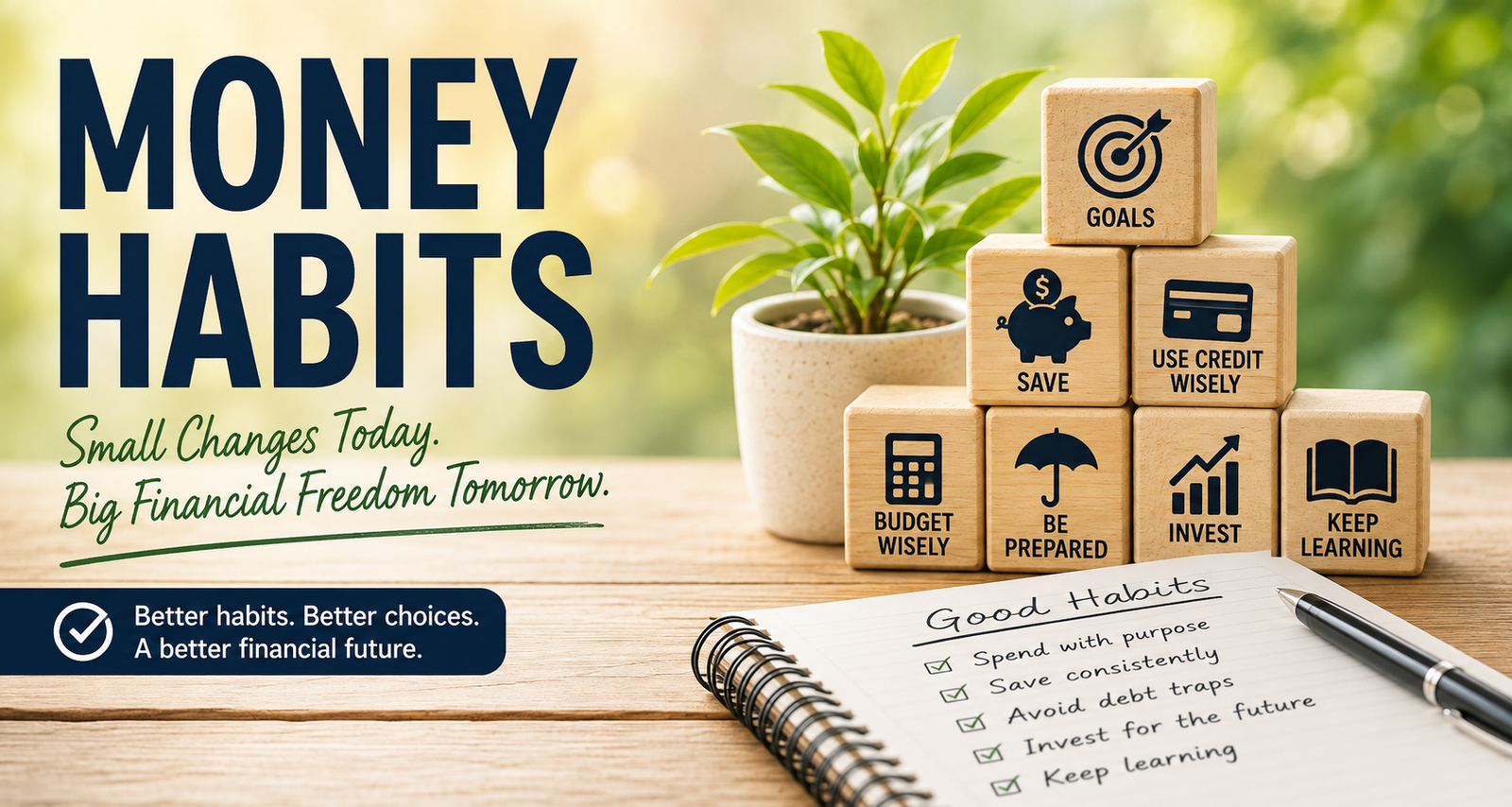
The Minimum Payment Trap: 3 Words, Years of Debt
For many people, seeing the words “minimum payment due” brings a sense of relief. It means the account is still current, which means avoiding late fees. It means getting through another month without falling further behind. But those three simple words can quietly keep people trapped in debt for far longer than they ever expected. The problem is not that minimum payments are evil or designed to punish people. Credit card companies are required to set a minimum monthly payment amount to keep an account in good standing. The issue is that many people naturally assume that making the minimum payment means they are making meaningful progress toward eliminating the debt. In reality, minimum payments are often designed to stretch repayment over many years while interest continues to accrue in the background. That is where the trap begins. Why Minimum Payments Feel Like Progress When money is tight, making the minimum payment can feel like surviving another round. There is a psychological comfort in staying current on bills, especially during stressful financial periods. Many people are juggling groceries, rent, insurance, utilities, gas, and unexpected expenses all at once. In those moments, paying anything at all can feel like an accomplishment. The problem is that minimum payments are usually calculated to cover mostly interest and only a small portion of the actual balance. That means the debt shrinks very slowly, even when payments are made consistently every month. Someone may look back after two or three years and feel frustrated, wondering