
You already know the feeling: the credit card statement lands in January, and the number staring back at you doesn’t quite match the version of the holidays you remember living through. A realistic holiday budget is usually the difference between a season you enjoyed and one you’re still paying for come spring, and it only works if you build it before the shopping starts, not after.
The good news is that enjoying the season and protecting your finances aren’t actually in competition. A little intention up front, starting with an honest holiday budget, is usually all it takes to have both.
Set a Real Holiday Budget Before the Season Starts
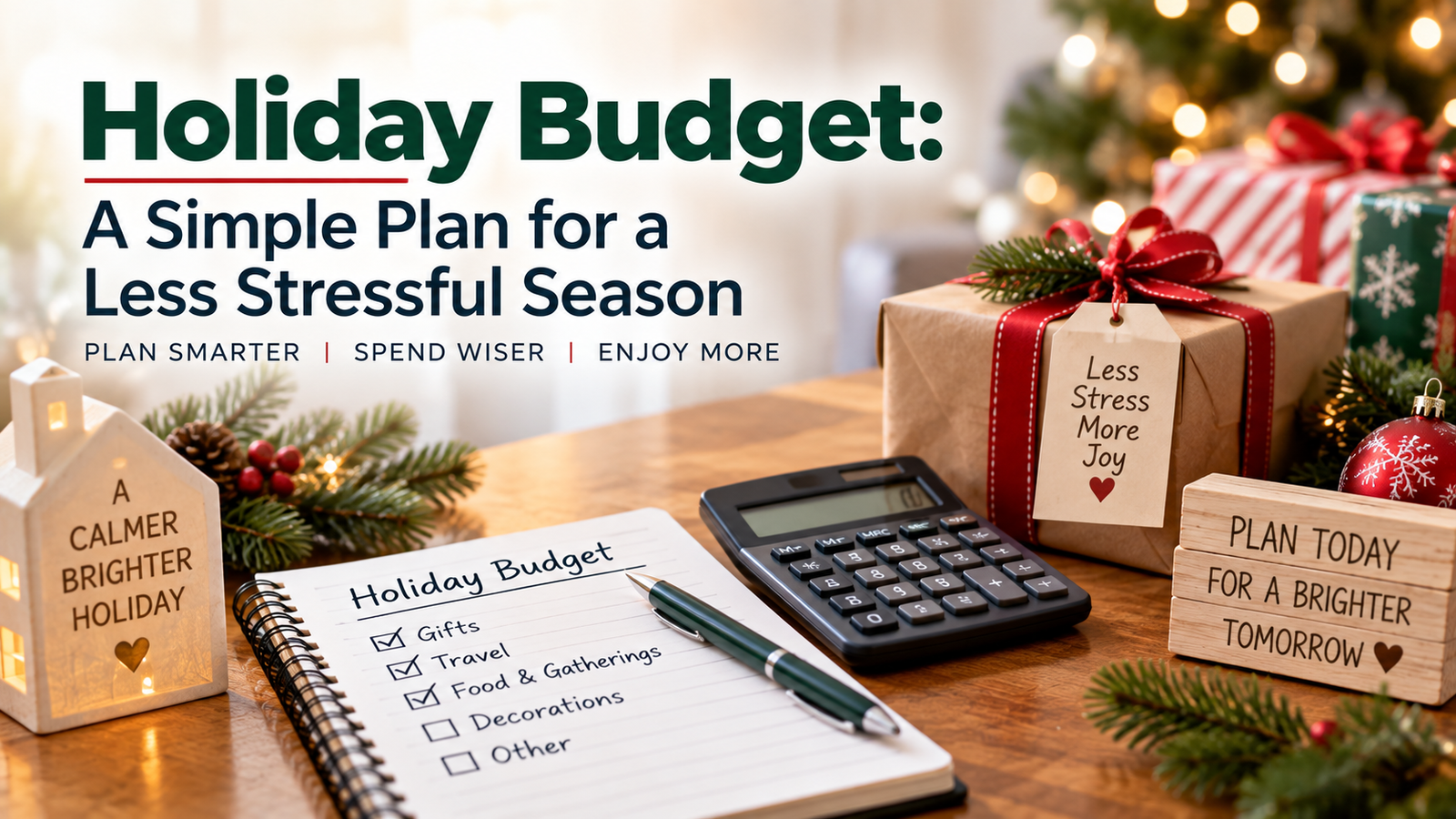
The single most effective thing you can do is decide, ahead of time, what you can actually afford to spend without disrupting the rest of your financial life. Look honestly at your current finances, then build your holiday budget around the categories that matter most: gifts for the people on your list, travel and lodging if you’re going anywhere, the food and drink that comes with hosting or attending, any decorations you want to add, and whatever entertainment or outings round out the season for you. Once that holiday budget exists, tracking your spending against it as you go is what keeps it from quietly drifting.
Make Your List Before You Start Shopping
Write down who you’re buying for and roughly what you have in mind before you set foot in a store or open an app. A real list does two things: it keeps impulse purchases in check, and it makes sure nobody gets forgotten until a last-minute, overpriced scramble. Meaningful doesn’t have to mean expensive either; a thoughtful, low-cost gift often lands better than an expensive one bought in a hurry.
Shop With a Plan, Not Just an Impulse
Holiday sales can genuinely help you, but only if you’re the one steering. Starting early gives you room to compare prices instead of buying under pressure, and a coupon or cashback offer is only a win if it’s on something you were already planning to buy. A price alert can catch a real drop worth waiting for. Watch for what you could call sale psychology: the moment a discount becomes the reason for the purchase. A deal on something you didn’t need is still money outside your holiday budget.
Remember That Meaningful Gifts Don’t Have to Cost Much
Some of the gifts people remember longest aren’t the expensive ones. A handmade item, baked goods, or a home-cooked dinner together can mean more than something bought off a shelf. Pooling money with family for one larger, shared gift often costs less per person than everyone buying separately, and a Secret Santa or White Elephant exchange with an agreed spending cap keeps a whole group’s gift-giving from adding up into something nobody quite budgeted for.
It’s Okay to Say No
The season brings a steady stream of invitations, gift exchanges, and travel requests, and saying yes to all of it can strain your finances and your energy at the same time. Skipping an expensive group gift, an optional dinner, or one more outing isn’t something you owe anyone an explanation for, it’s simply protecting the holiday budget you already set. The people who actually care about you will understand.
Book Travel Early If You’re Going Anywhere
If seeing family or friends means travel, booking early is usually the difference between a reasonable fare and a painful one, since last-minute holiday travel tends to be the most expensive kind. Redeeming points or miles you’ve already earned, traveling just outside the busiest days, or splitting gas and tolls with whoever you’re riding with are all small moves that add up to real savings.
Use Credit Cards Carefully
It’s easy to swipe now and think about the bill later, but that’s exactly how a reasonable holiday budget turns into debt that outlasts the season, the same trap we cover in The Minimum Payment Trap. The safest rule is only charging what you know you can pay off in full when the statement arrives, and being wary of buy-now-pay-later plans, which can make overspending feel consequence-free until the fees show up.
Choose Traditions Over Transactions
The holidays carry an unspoken pressure to spend, but the parts people actually remember rarely come with a price tag: a movie night in, an afternoon spent baking together, homemade decorations, or a few hours volunteering as a family. Building a season around moments like these, rather than purchases, reinforces that the holidays are about connection.
Start Building Next Year’s Holiday Budget Now
While this year’s numbers are still fresh in your mind, it’s also the easiest time to make next year easier on yourself. Take your rough total from this season, divide it by twelve, and set that amount aside each month going forward, essentially building next year’s holiday budget before the season even starts. By the time the holidays roll around again, you’ll have it ready and waiting instead of scrambling, something worth revisiting alongside a post-holiday reflection once this season wraps up.
The holidays were never really about the number on the receipt. They’re about the people, the moments, and the memories, and a clear holiday budget is one of the more reliable ways to protect your peace of mind while you’re in the middle of it. A little planning now lets you enjoy the season instead of bracing for what it costs.