

Cryptocurrency investing can look straightforward on a phone screen: choose an asset, enter an amount, and watch the balance move. Understanding what you bought, who controls access, and how you would get your money back takes more work.
The technology may be interesting. That does not make every token a useful investment or every platform trustworthy. Before committing money, separate the asset, the service holding it, and the promises used to sell it.
What Is Cryptocurrency Investing?
Cryptocurrency investing involves buying digital assets in the hope of income or an increase in value. Many use blockchain or similar distributed-ledger technology. Their designs, controls, uses, and risks vary; “crypto” is not one uniform product.
Do not assume an asset is decentralized simply because it uses a blockchain. Ask who can change its rules, issue more tokens, control major holdings, or restrict access. A technical label is the beginning of your research, not the conclusion.
Also separate a technology’s usefulness from an investment’s price. A real use for a network does not establish what a particular token should be worth, or what return a buyer will receive.
Know Whether You Own Crypto or a Financial Product
Buying a token directly differs from buying shares in a product that tracks its price. The SEC explains bitcoin and ether exchange-traded products, which can provide exposure without requiring investors to manage their own crypto wallets. They still carry price risk and product-specific costs.
Before cryptocurrency investing, write down exactly what you would own. Is it an asset you can transfer, a claim governed by a platform’s agreement, or shares in an investment product? Read the terms for that specific arrangement.
If a salesperson cannot explain the difference in plain language, pause. A professional-looking app does not answer the ownership question.
Price Gains Can Reverse—and Losses Can Be Permanent
Crypto prices can fluctuate sharply. A low price per token does not establish a bargain, and a past price peak is not a promise that the asset will return there.
Consider an original arithmetic example. An investment of $2,000 falls 50%, leaving $1,000. A subsequent 50% gain brings it to $1,500, not back to $2,000. Recovering the initial amount requires a 100% gain from the low, before costs or taxes.
Cryptocurrency investing should not rely on patience alone producing a recovery. An asset can lose demand, trading access, or most of its value. Ask what evidence supports the purchase beyond someone else’s earlier profits.
Adding crypto also does not guarantee diversification benefits. Test how a loss would affect your overall finances rather than assuming a new asset label makes your portfolio safer.
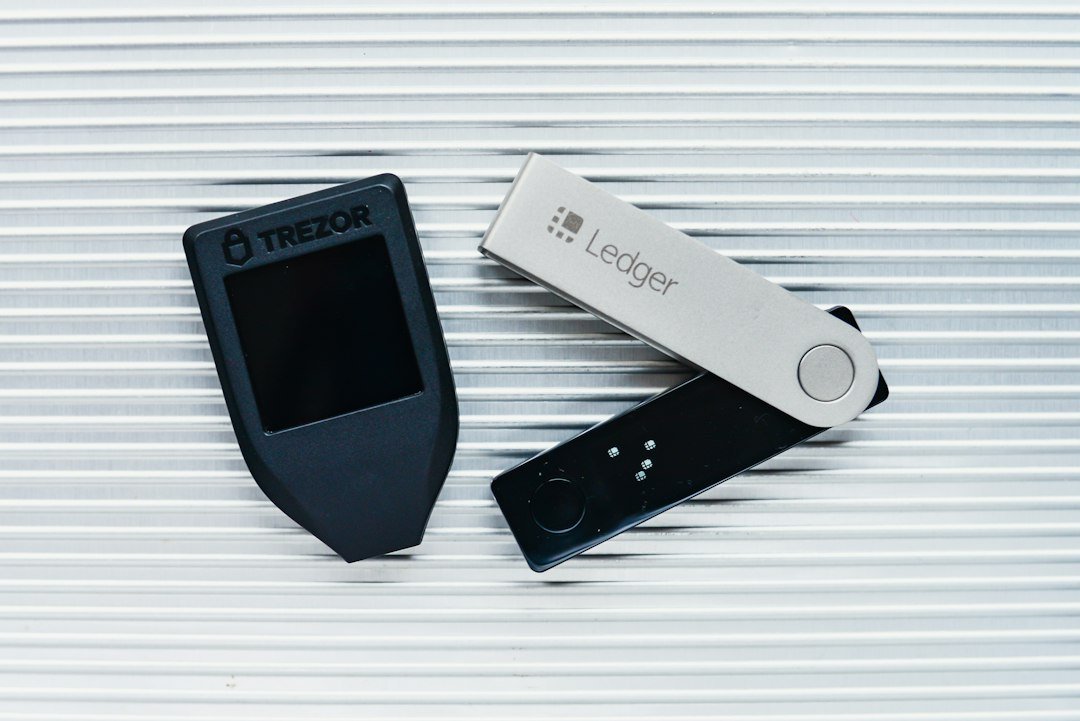
Hardware wallets shown for illustration, not as product recommendations. Photo by rc.xyz NFT gallery on Unsplash.
Custody Means Who Controls Access
The SEC’s crypto custody bulletin explains that wallets manage keys used to access and authorize transactions; the assets are not literally stored inside the device.
With self-custody, you manage the private keys and recovery information. Losing access or having it stolen can cause permanent loss. With third-party custody, you depend on a provider’s safeguards and terms; failure, hacking, or bankruptcy can prevent access.
Never share private keys or seed recovery phrases with someone offering support or an investment opportunity. Use strong account security and multifactor authentication. Self-custody requires a secure recovery plan, not simply purchasing a hardware device.
Ask who controls withdrawals, whether assets can be lent or used by the provider, and what happens if the service stops operating. For cryptocurrency investing, access risk deserves attention alongside price risk.
Crypto Is Not an Insured Savings Account
The FDIC distinguishes insured deposits from investments. Crypto assets do not receive FDIC deposit insurance. Insurance on an eligible bank deposit does not extend to your token’s price or guarantee a crypto company’s survival.
Do not treat a dollar symbol, a familiar company logo, or the word “stable” as proof of a bank-like guarantee. Ask what the product promises, who owes that obligation, and what protections actually apply.
Keep money for essential bills and near-term needs separate from a speculative purchase. Borrowing or using leverage adds obligations even if the asset collapses. A loss you can technically survive may still undermine an important household goal.
Understand Fees, Withdrawals, and Tax Records
Before cryptocurrency investing, inspect the full transaction. Ask about trading charges, the difference between quoted buy and sell prices, transfer costs, and any account fees. What would it cost to enter, hold, transfer, and exit the position?
Read withdrawal procedures, limits, waiting periods, and account-restriction provisions. Ask how you would reach legitimate support. Do not assume a balance displayed on screen is immediately available as cash.
For U.S. federal taxes, the IRS treats digital assets as property. Selling, exchanging one asset for another, or spending it can create reportable transactions and gains or losses. Some receipts can be taxable income. A tax event does not always require cashing out to dollars.
Maintain transaction dates, amounts, dollar values, fees, and cost-basis records. Moving assets between services can make records harder to follow. Consult a qualified tax professional about your circumstances rather than assuming an app’s summary is complete.
Recognize the Sales Pitch Before Sending Money
The FTC’s crypto scam guidance describes fake investments and demands for additional money to release supposed earnings. An impressive dashboard or a small successful withdrawal does not establish legitimacy.
- Be skeptical of guaranteed returns, secret trading systems, and pressure to act immediately.
- Independently verify an unfamiliar platform rather than using only a link from a new online contact.
- Do not send extra crypto to an unknown operation claiming you must pay taxes or unlocking fees before withdrawing.
- Never reveal recovery phrases, allow an unsolicited helper to control your device, or trust a promise to recover losses for an upfront payment.
If a suspected scammer already has your money, stop sending more. Save messages and transaction details, contact the legitimate service involved through independently verified channels, and report the incident through official consumer-protection or law-enforcement sites.
Decide Whether This Fits Your Financial Life
Before cryptocurrency investing, explain the proposed purchase in your own words: what you own, why you want it, who controls access, how you would exit, and what losing the entire amount would change.
Review your foundation through our beginner investing guide and Investing & Wealth resources. An investment does not become necessary because it dominates the conversation online.
Learning about cryptocurrency does not obligate you to buy it. If you cannot explain the ownership, access, costs, and risks—or the money is needed elsewhere—waiting or deciding against it is a reasonable financial decision.