
Elder Financial Abuse: Warning Signs and Practical Help
Recognize possible elder financial abuse, protect the older adult’s independence, and find verified reporting contacts and practical next steps.


Recognize possible elder financial abuse, protect the older adult’s independence, and find verified reporting contacts and practical next steps.
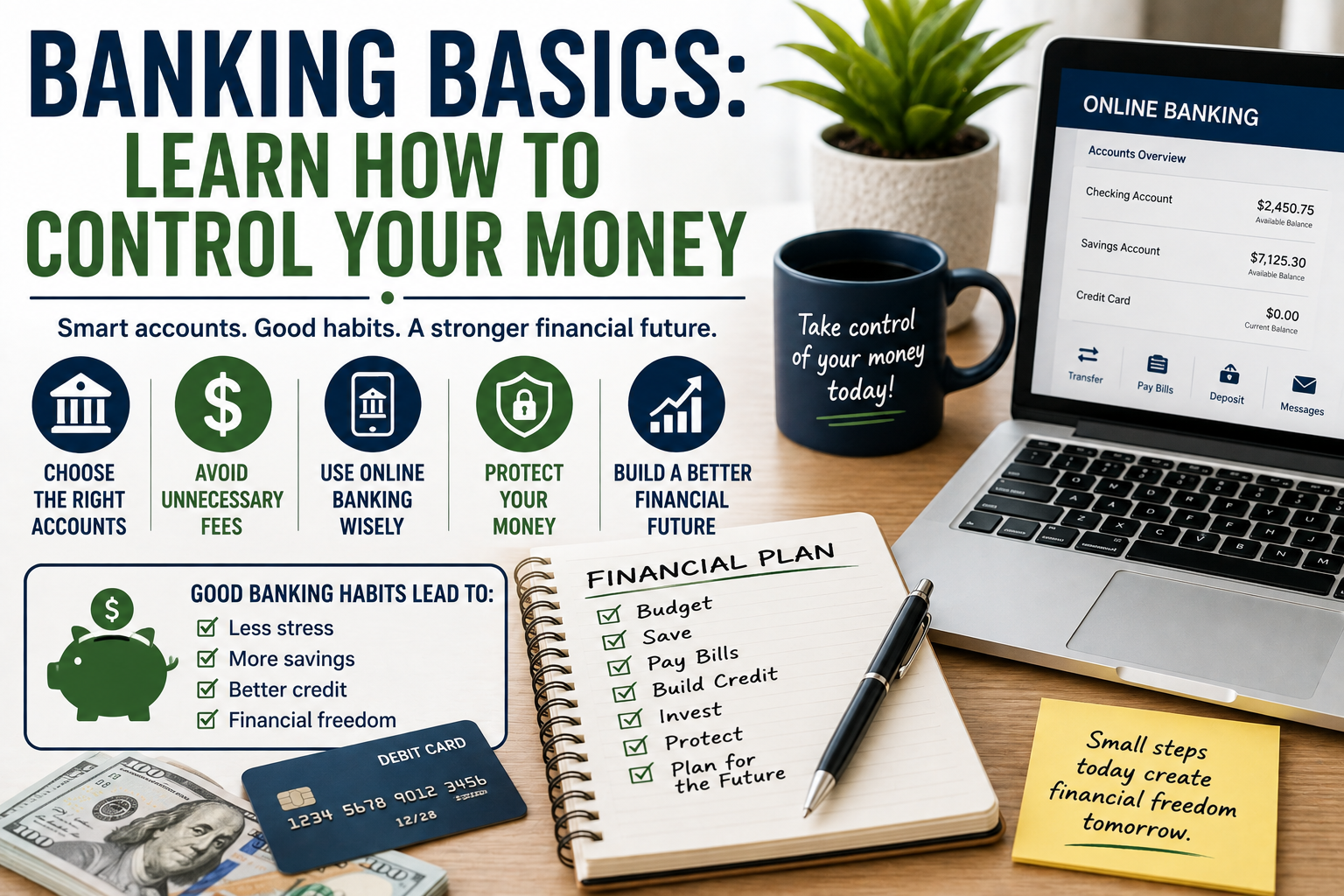
Have you ever looked at your bank statement and wondered why you’re paying a fee you don’t remember agreeing to? That’s usually a sign it’s time to revisit the banking basics, the small habits and account choices that quietly decide how much of your money actually stays yours. Your bank does a lot more than
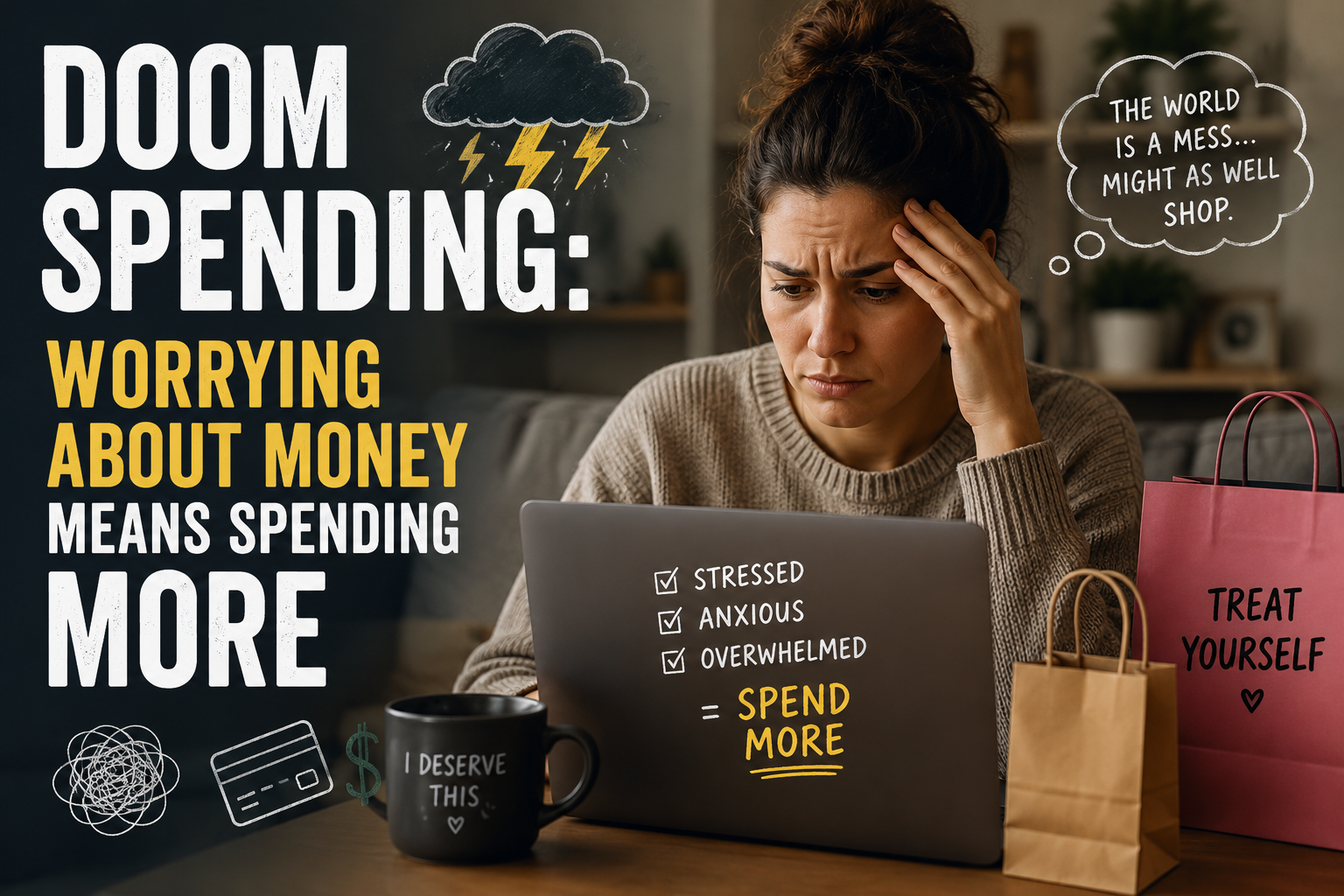
Doom spending happens when financial anxiety leads to unplanned purchases. Learn what triggers the cycle and how to interrupt it before worry creates more debt.
Americans spend an average of nearly four hours every day thinking about money, according to an Empower survey reported by Investopedia. But thinking about your finances and understanding them are two different things. Juggling figures in your head while deciding how much cash you have available can feel like a runaway train. You’re trying to
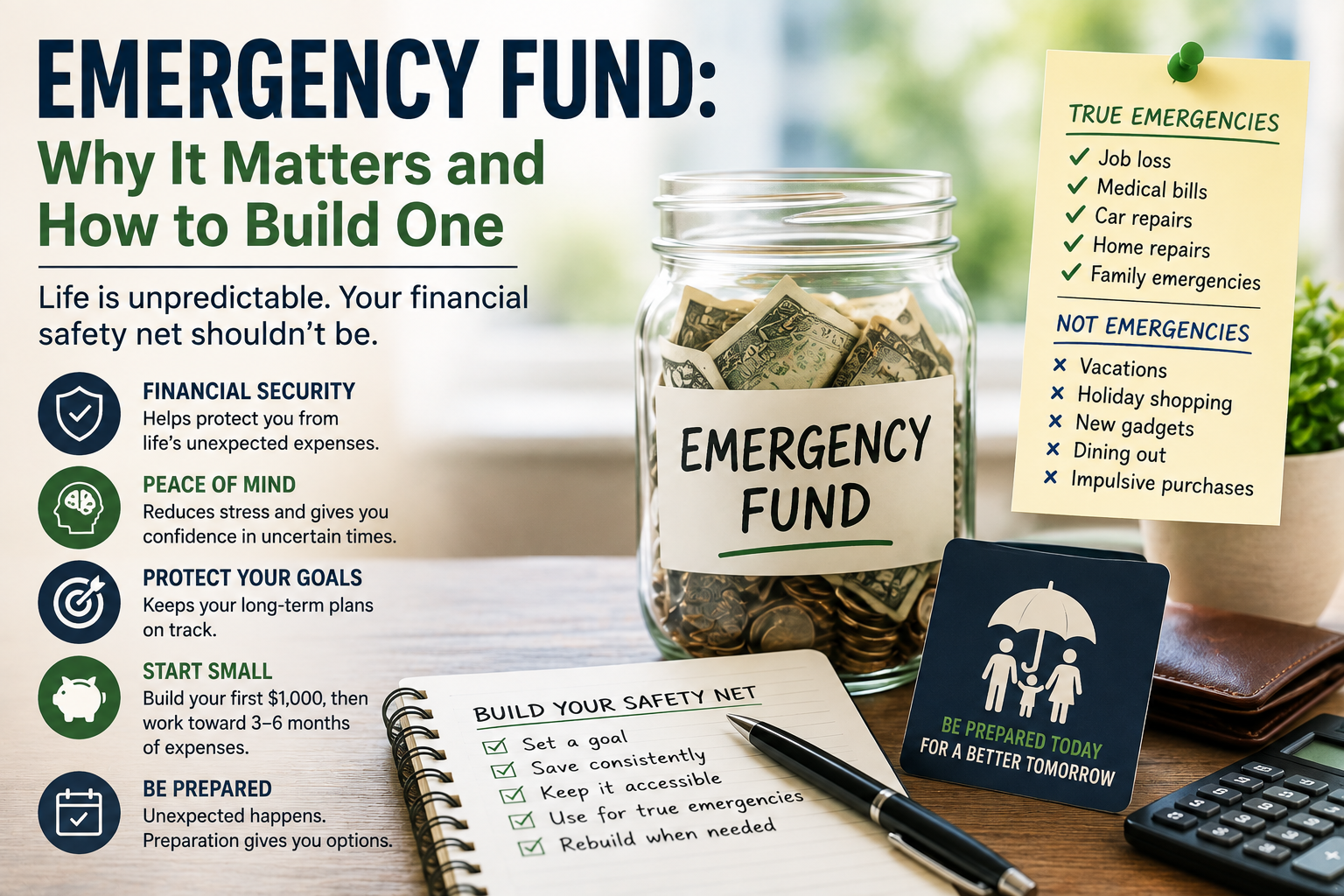
Learn what an emergency fund is, what counts as a real emergency, where to keep the money, and how to build your first financial cushion step by step.

Have you ever wondered how some people seem to build wealth without making huge salaries or taking extraordinary risks? One of the biggest reasons is compound interest. It’s one of the most powerful concepts in personal finance because it allows your money to earn money—and then earn money on those earnings. The best part is