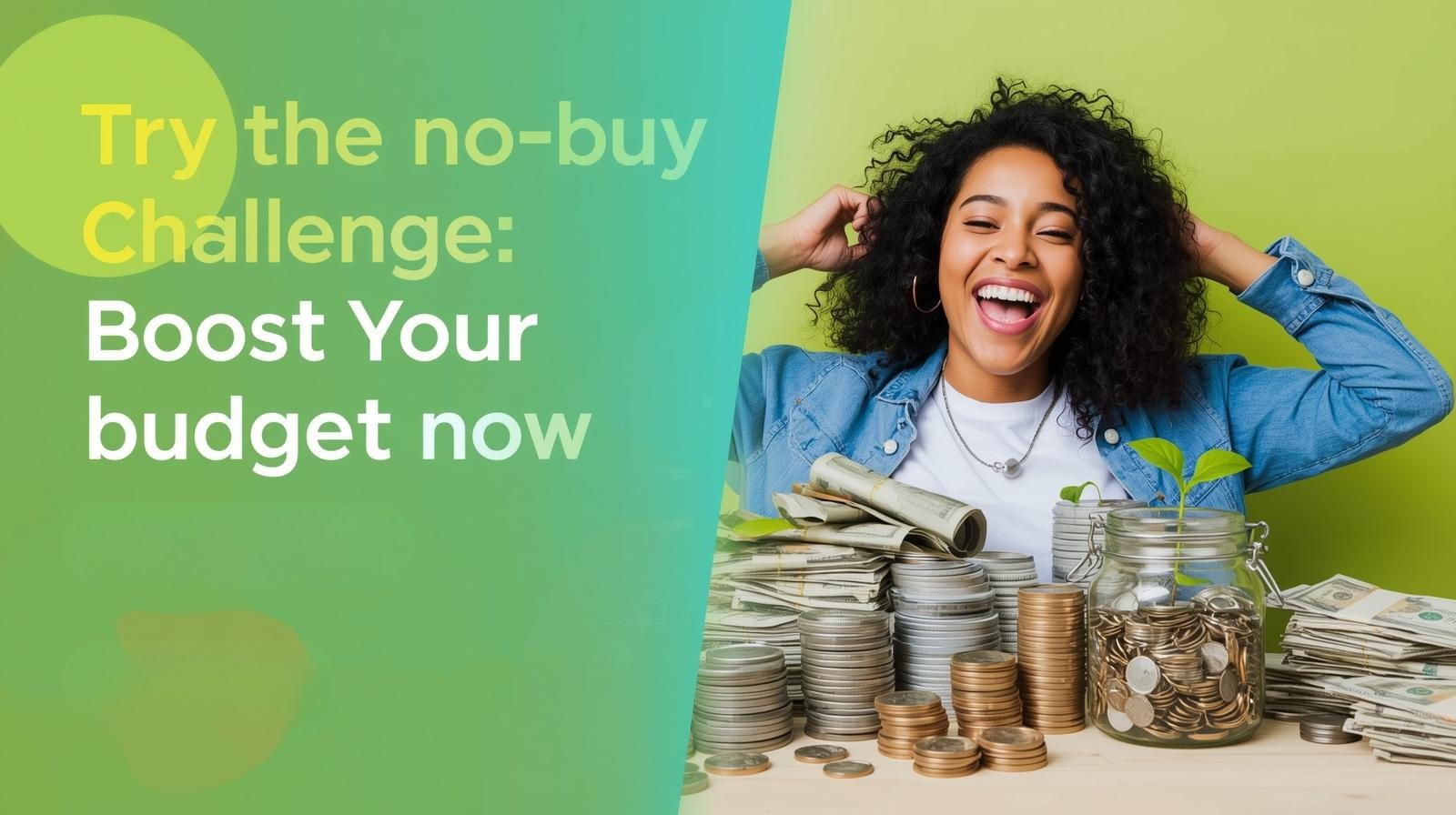
If you’ve spent any time around personal finance communities recently, you’ve probably heard people talking about the no-buy challenge. The idea is simple on the surface: for a set period of time — sometimes a month, sometimes longer — you intentionally stop spending money on non-essential items. No impulse purchases. No random online shopping. Just the essentials.
It may sound extreme at first, but the reason this trend is catching on is that many people feel like their money disappears faster than it used to. Even though inflation has slowed from earlier spikes, everyday costs like groceries and household expenses are still rising, putting pressure on budgets.
For many households, the no-buy challenge isn’t really about deprivation. It’s about resetting habits.
Why the No-Buy Challenge Is Trending
Money habits tend to drift over time. Subscriptions pile up, convenience spending increases, and little purchases start feeling normal. The no-buy challenge forces a pause.
Instead of asking, “Can I afford this?” the question becomes:
“Do I actually need this?”
That shift is powerful.
People who try a no-buy month often discover patterns they hadn’t noticed before. Maybe online shopping has become automatic after a stressful day. Dining out happens more often simply because it’s easier than cooking. Maybe small purchases add up to a surprisingly large number by the end of the month.
In many cases, the biggest benefit isn’t the money saved during the challenge itself. It’s the awareness that follows.
What a No-Buy Challenge Really Looks Like
Despite the name, the no-buy challenge doesn’t mean you stop spending money completely. Rent, utilities, groceries, and other essentials still exist. What changes is discretionary spending.
Typical rules include:
- No clothing purchases
- Stop impulse online shopping
- No unnecessary subscriptions
- Cutting back on dining out or takeout
Some people design the challenge around their personal weak spots. For someone else, the focus might be on eliminating convenience spending like food delivery apps or daily coffee stops.
The structure is flexible, which is part of why the trend has spread so quickly.
The Surprising Psychology Behind It
Something interesting happens when people try this challenge. At first, it feels restrictive. But after a couple of weeks, many participants report something different — relief.
Spending decisions become easier because the answer is already decided.
Instead of constantly negotiating with yourself about whether something is worth buying, the rule is already in place. That simplicity removes a surprising amount of mental noise.
Financial experts often point out that behavior plays a bigger role in money management than math. A budgeting method that works on paper doesn’t always work in real life. The no-buy challenge succeeds because it changes behavior first.
When the No-Buy Challenge Works Best
Like most financial strategies, the no-buy challenge works best when it’s used as a tool rather than a permanent lifestyle.
A month can be enough to:
- Identify spending leaks
- Reset habits
- Build savings momentum
- Reduce impulse purchases
After that, the goal isn’t to stop spending forever. It’s to spend more intentionally.
Many people find that once the challenge ends, they continue avoiding purchases that previously felt automatic. That’s where the real impact happens.
One Important Thing to Remember
The purpose of the no-buy challenge isn’t to punish yourself or create unrealistic rules. Personal finance works best when it’s sustainable.
If the challenge helps you see your habits more clearly, it has done its job.
And if it doesn’t fit your lifestyle perfectly, that’s okay too. The bigger lesson is simply paying attention to where money goes — because awareness is usually the first step toward improvement.