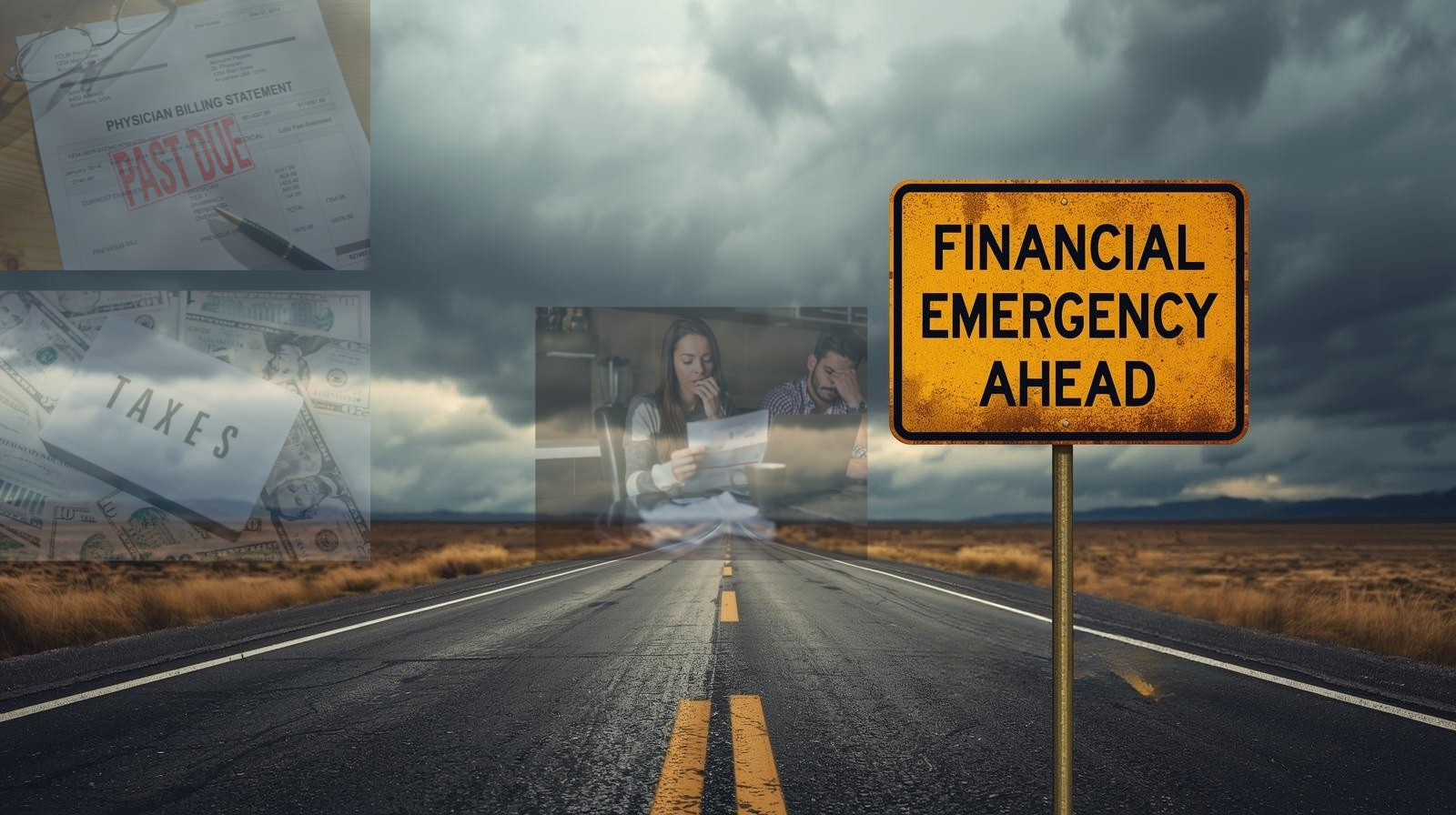
My Emergency Fund: How Much Is The Right Amount?
An emergency fund is one of the most important pieces of personal financial stability, yet many people struggle with a simple question: how much is actually enough? Traditional advice often suggests saving three to six months of expenses, but the right emergency fund can vary widely depending on your situation, income stability, and financial responsibilities. Why an Emergency Fund Matters Life has a way of introducing unexpected expenses. Job loss, medical bills, home repairs, and vehicle problems can appear without warning. An emergency fund provides a financial cushion that allows those situations to be handled without immediately turning to credit cards or loans. Without an emergency fund, even small financial disruptions can create long-term debt. The Traditional Emergency Fund Rule For many years, financial planners suggested building an emergency fund equal to three to six months of living expenses. The reasoning is simple. If income stops temporarily, the fund allows basic bills to continue being paid while time is available to recover financially. Those expenses typically include: For many households, that number can be significant. When Your Emergency Fund May Need to Be Larger Not every financial situation is the same. Some individuals benefit from maintaining a larger emergency fund, particularly if their income or responsibilities increase their risk. Situations that may justify a larger emergency fund include: In these cases, an emergency fund of six to twelve months of expenses may provide greater peace of mind. When a Smaller Emergency Fund May Work Some households can operate safely with