
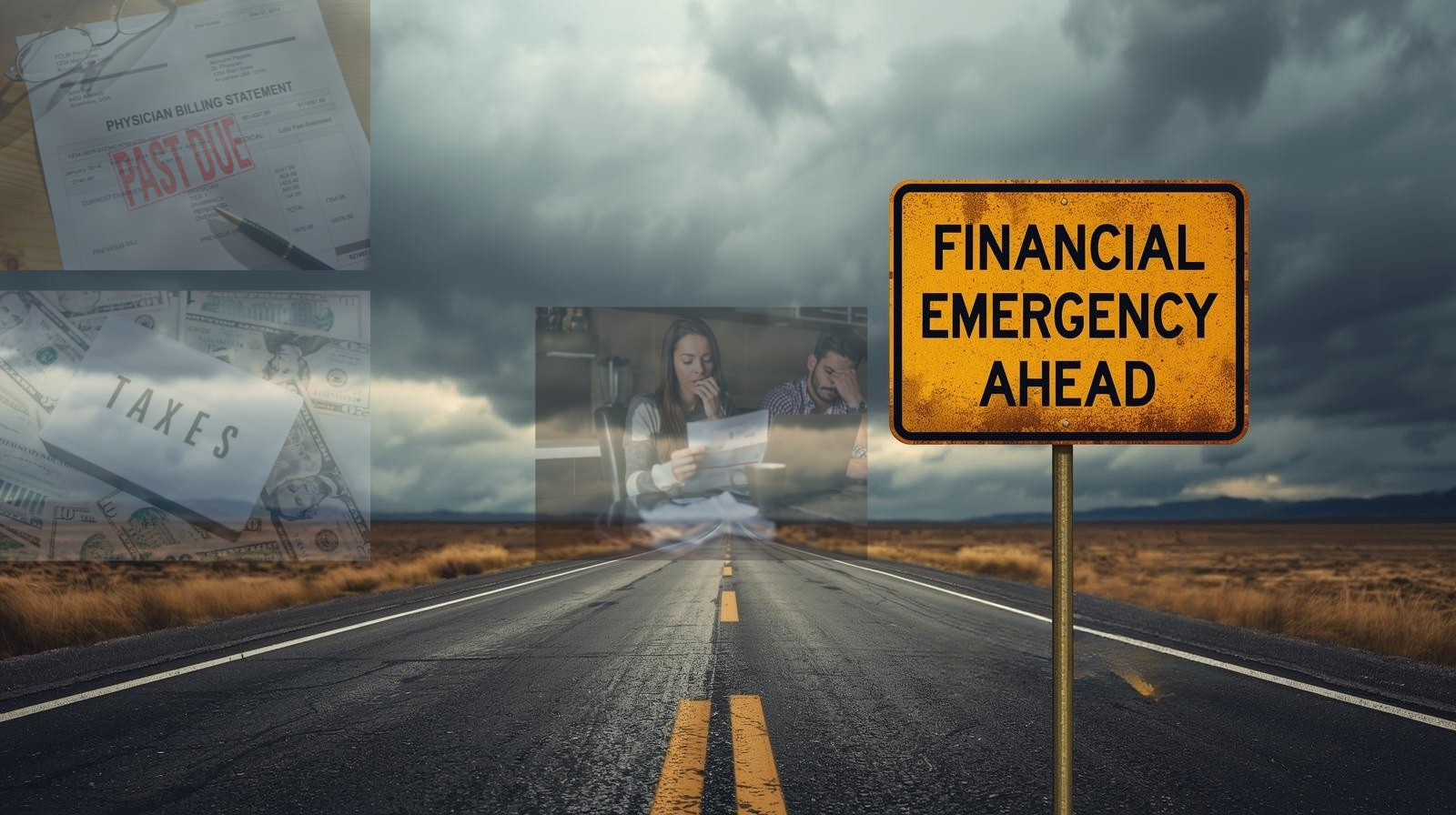
An emergency fund is one of the most important pieces of personal financial stability, yet many people struggle with a simple question: how much is actually enough? Traditional advice often suggests saving three to six months of expenses, but the right emergency fund can vary widely depending on your situation, income stability, and financial responsibilities.
Why an Emergency Fund Matters
Life has a way of introducing unexpected expenses.
Job loss, medical bills, home repairs, and vehicle problems can appear without warning. An emergency fund provides a financial cushion that allows those situations to be handled without immediately turning to credit cards or loans.
Without an emergency fund, even small financial disruptions can create long-term debt.
The Traditional Emergency Fund Rule
For many years, financial planners suggested building an emergency fund equal to three to six months of living expenses.
The reasoning is simple.
If income stops temporarily, the fund allows basic bills to continue being paid while time is available to recover financially.
Those expenses typically include:
- housing or rent
- utilities
- groceries
- insurance
- transportation
- minimum debt payments
For many households, that number can be significant.
When Your Emergency Fund May Need to Be Larger
Not every financial situation is the same.
Some individuals benefit from maintaining a larger emergency fund, particularly if their income or responsibilities increase their risk.
Situations that may justify a larger emergency fund include:
- self-employment or variable income
- supporting dependents
- single-income households
- health concerns or limited insurance coverage
- approaching retirement
In these cases, an emergency fund of six to twelve months of expenses may provide greater peace of mind.
When a Smaller Emergency Fund May Work
Some households can operate safely with a slightly smaller emergency fund.
Examples might include:
- dual-income households
- stable long-term employment
- strong insurance coverage
- low debt obligations
Even in these situations, having at least three months of essential expenses available can help protect financial stability.
Where to Keep Your Emergency Fund
An emergency fund should be accessible and safe.
This money is not meant for long-term investment growth. Its purpose is stability and availability.
Common places people keep an emergency fund include:
- high-yield savings accounts
- money market accounts
- short-term treasury funds
The goal is to balance accessibility with modest interest earnings while protecting the principal.
The Biggest Emergency Fund Mistake
One of the most common mistakes is delaying the creation of an emergency fund because the full goal seems too large.
Building the fund gradually often works better.
Small, consistent contributions over time can eventually create the financial buffer needed to handle unexpected events.
Final Thought
An emergency fund is not just a savings account. It is a form of financial protection.
The right amount depends on personal circumstances, income stability, and comfort with risk. While traditional rules offer helpful guidelines, the most important step is simply to begin and build the fund steadily over time.
Financial stability rarely comes from a single decision. It grows from habits that are repeated consistently.